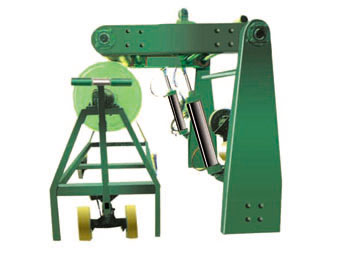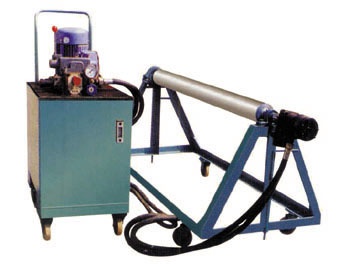
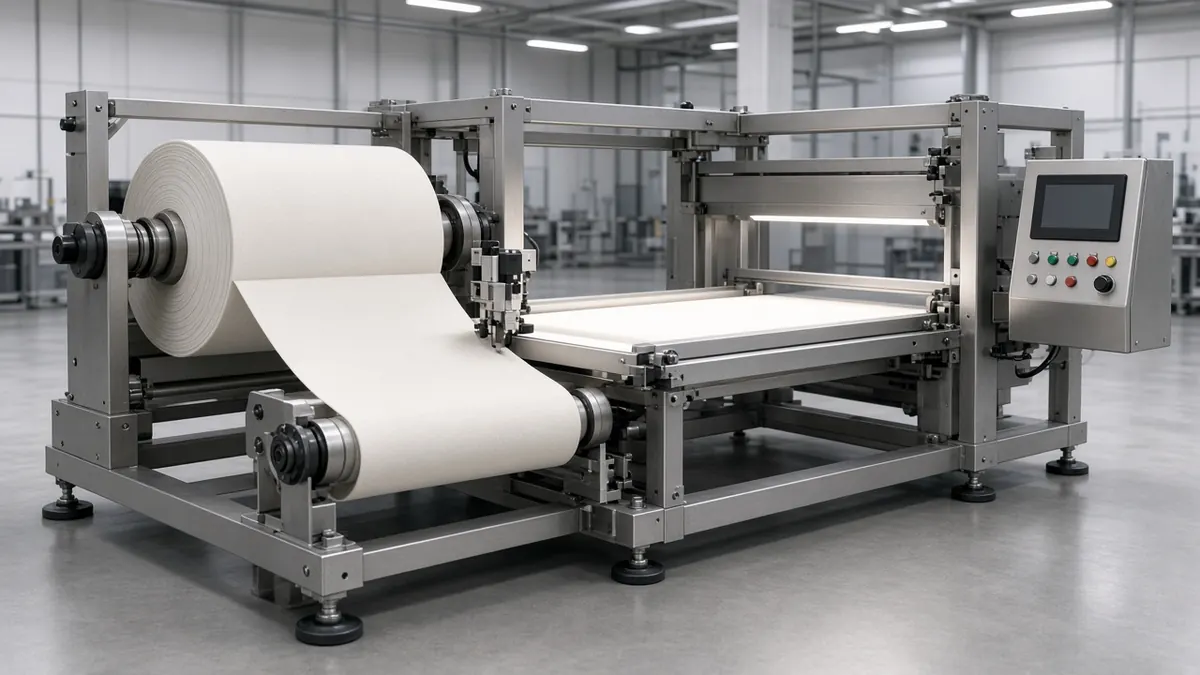
What a cloth rolling machine does
After dyeing, drying or stentering, cloth leaves the line as a flat web. The cloth rolling machine winds it into a tight, even roll for inspection, packing and shipping. It also keeps tension steady as the roll grows.
Poor winding shows up later as telescoped rolls, creases, or fabric that tears when it is pulled off.
Torque motor or hydraulic drive
The CBJ-A uses a torque motor. It keeps the speed steady and works with many fabrics. The DJ-A uses a hydraulic motor. It gives steady tension as the roll gets heavy.
Technical data
| Item | CBJ-A (torque motor) | DJ-A (hydraulic) |
|---|---|---|
| Drive | Torque motor | Hydraulic motor |
| Max. roll diameter | 1,400 mm | 1,000 mm |
| Fabric speed | 60 m/min | 60 m/min |
| Motor | 10 to 16 N·m torque | 5.5 kW |
| Suited for | Various fabrics, mixed production | Heavy rolls, steady tension |
Figures are the published data of each Runda unit. Entry height, drive side and roll format are set per order.
How to choose
Start with the heaviest roll you plan to build. Check it against the diameter limits above and against your handling and transport limits.
Match the winding speed to the line it follows. A winder that cannot keep up forces the whole line to slow down.
Think about tension. Soft and stretch fabrics telescope or tear if the winder cannot hold tension as the roll grows. Choose the drive for the heaviest roll you make.
Tell us which machine the winder follows, so that we set the height, direction and drive side to fit it.
Frequently asked questions
Can the winder also measure the cloth?
Measuring and inspection can be combined with rolling. Tell us if you need either.
Which machines can it follow?
Stenters, dryers, dyeing and washing ranges. The mounting is set to the host machine.
What do I send for a quote?
The machine it follows, fabric type and width, target roll diameter, line speed, and destination country.