


How airflow dyeing works
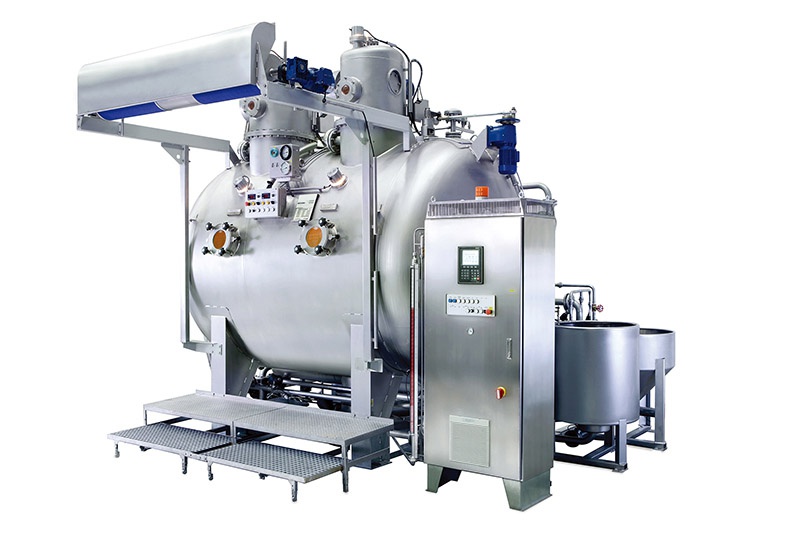
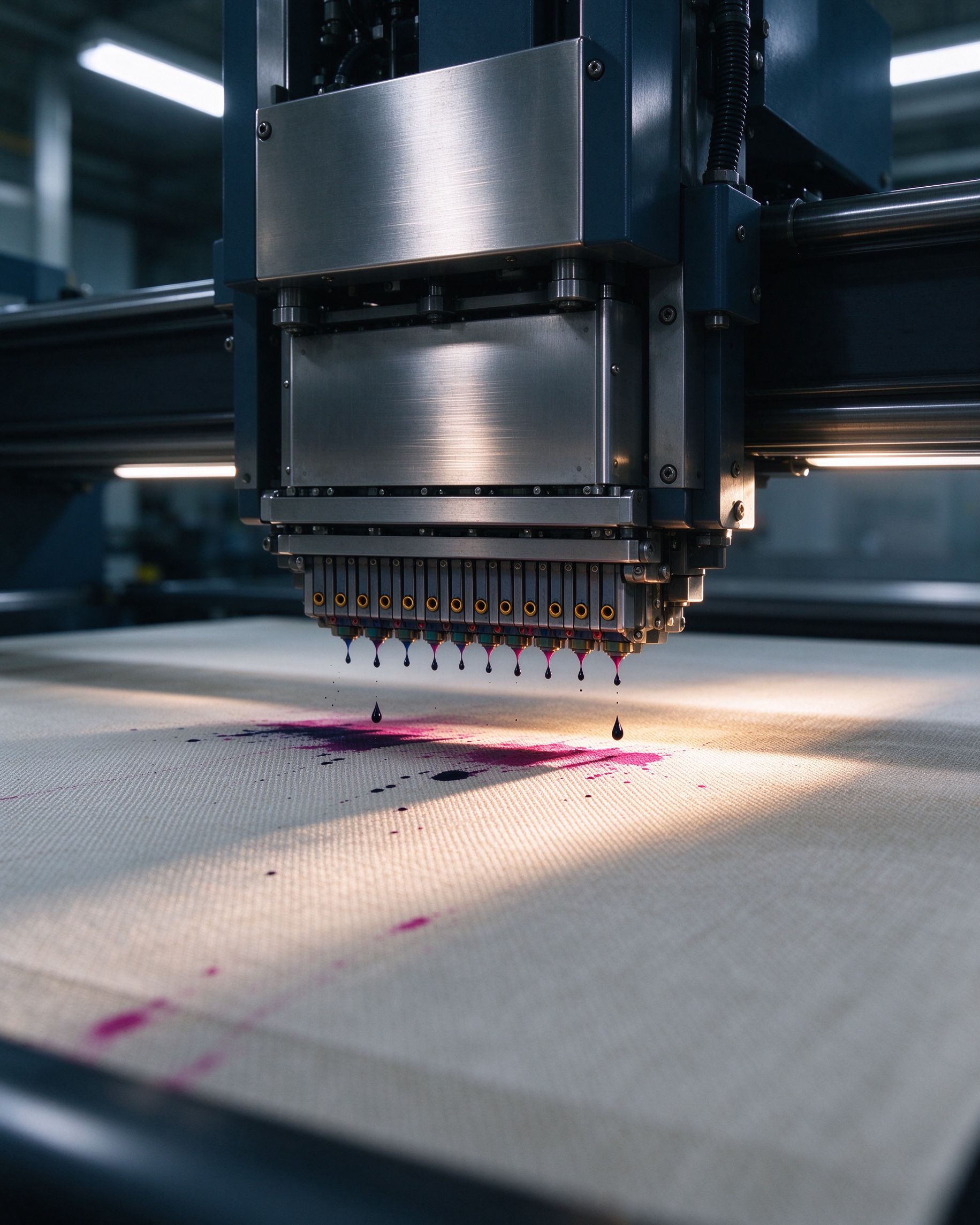
On a conventional overflow or jet machine, pumped liquor both dyes the cloth and drags the rope around the vessel. That is why those machines need a longer bath. On the RD HT, a blower drives a stream of air that transports the rope. The dye liquor is circulated separately to wet, heat and dye the fabric. Water is no longer the transport medium, so the bath can be much shorter.
The cloth stays in rope form from loading through the dyeing cycle. A cloth-lift drive with variable-frequency control, an adjustable nozzle and a swinging storage trough are used to keep the rope running smoothly. A self-untangling device and an automatic lint scraper are included to reduce stoppages from winding or fluff. The published data also state that one tube can run two ropes, and that a fabric circulation cycle can be completed in as little as about three minutes without reducing the load.
Why a liquor ratio of 1:2.5 matters
Liquor ratio is the amount of bath relative to the fabric. Runda's own overflow dyeing machine is published at 1:6 to 1:12, and the NGR high-temperature jigger at 1:3. The RD HT is published at 1:2.5. A shorter bath means less water to heat and cool, less steam, less energy, less dye and auxiliary, and less effluent to treat.
The published figures also state that, between 70% and 100% of the rated load, the liquor ratio can be held in the 1:2.5–1:3 range and the fabric still runs smoothly. That matters in a dyehouse where lot sizes vary: a partial load does not have to fall back to a long bath.
Advantages of the RD HT airflow dyeing machine
Airflow dyeing itself is an established low-liquor method. The RD HT is built so a dyehouse can use that short bath in regular production, and so the same series can be specified from a single tube up to a 16-tube line.
- A short, published bath. The working liquor ratio is 1:2.5. At 70–100% load it can be held at 1:2.5–1:3. That is the figure to use when you compare water, steam and chemical use with an overflow or jet machine.
- Air carries the rope. The fabric is not dragged by a liquor jet. Tension on the cloth is lower, which suits knits and other fabrics that mark if they are pulled too hard.
- Tube counts from 1 to 16. A single-tube machine can prove a shade or run a small lot. An 8-tube or 16-tube line can take a large batch on the same series. One tube can also be set to run two ropes.
- Built for the plant you already have. The machine can be customized to fabric type, lot size and floor layout. It can be installed alongside Runda overflow, jigger and finishing machines, with one factory for spares and service.
- A complete working set, not only a vessel. The published construction includes a high-head stainless centrifugal pump and blower with variable-frequency starting, a proportional heat exchanger, pneumatic inlet and drain valves, an inlet flow meter, an analog level gauge, a built-in automatic spray-cleaning system, and a dosing tank with stirring and metered addition.
For a dyehouse, the point of this machine is not to add one more model to a list. It is to move high-temperature rope dyeing into the 1:2.5 liquor-ratio range, and to do it with a tube count that can grow from a trial machine to a 16-tube line, supplied and customized by a Wuxi dyeing-equipment factory.
Compared with overflow and jigger dyeing
| Item | RD HT airflow | HTHP overflow (Runda, published) | NGR HTHP jigger (Runda, published) |
|---|---|---|---|
| Fabric transport | Airflow, rope form | Liquor jet, rope form | Main rollers, open-width / batch roll |
| Liquor ratio | 1:2.5 | 1:6 to 1:12 | 1:3 |
| How the lot is arranged | 1, 2, 4, 8 or 16 tubes | By tube and load per tube | By working width and roll diameter |
| Where it fits | When water, steam and energy use have to be kept down on rope fabric | General rope dyeing of polyester, nylon and blends | When the fabric should stay open-width, especially wider cloth |
Overflow and jigger figures are the published data of Runda's own machines, shown here so the three methods can be compared on the same site. The better choice still depends on the fabric and the lot.
Construction and configuration
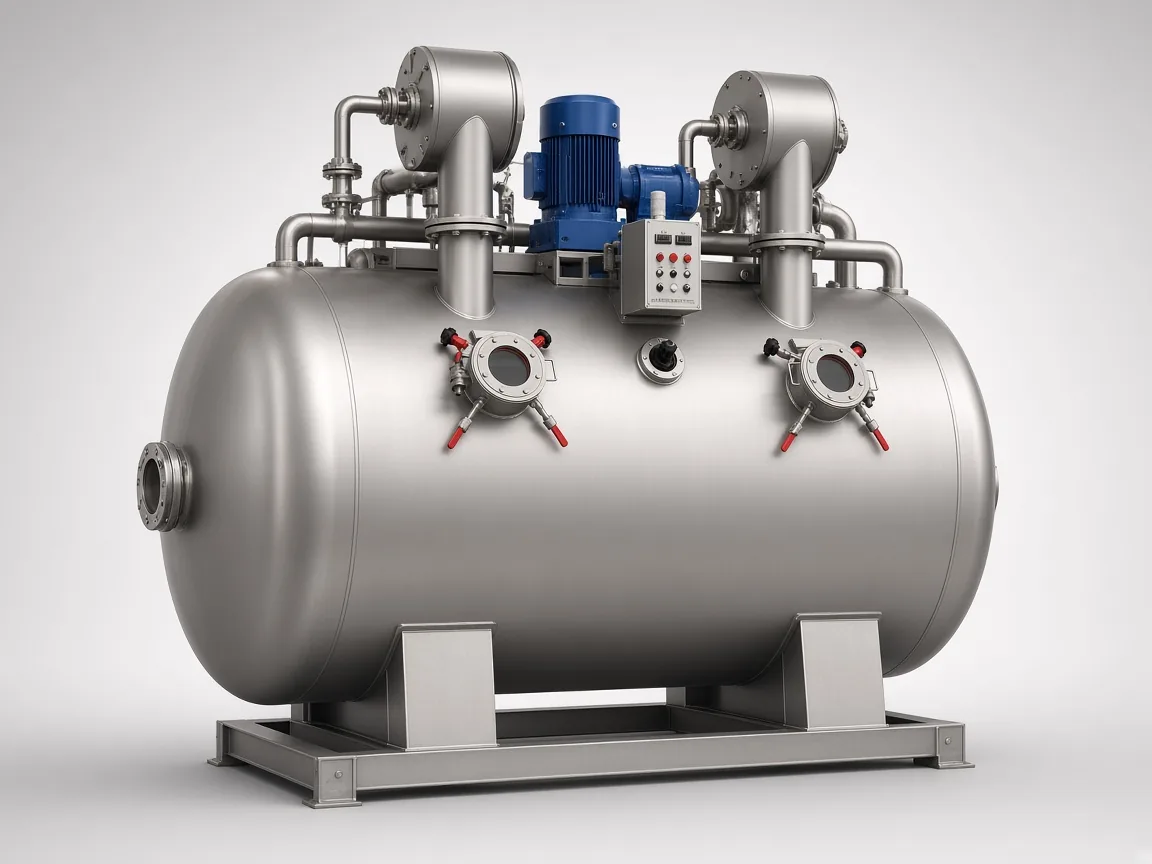
Parts in contact with the dye liquor are specified in high-strength, corrosion-resistant S31603 stainless steel, manufactured to GB 24511. The typical published arrangement is one blower for every two tubes, rated 30 kW at 4,200 r/min, together with a high-head stainless centrifugal pump. The cloth-lift is variable-frequency controlled. The nozzle and the load chamber are adjustable. The storage trough has a fabric-swing device. A self-untangling device, an automatic lint scraper and a built-in automatic spray-cleaning system are included.
Heating and cooling are handled by a proportional heat exchanger. Inlet and drain use pneumatic valves, with an inlet flow meter and an analog flap-type level gauge. The dosing tank has proportional feed, stirring and metered flow control.
The line can be customized to the customer's specification: tube count, plant layout, and the utilities available on site. Final configuration is confirmed on the quotation.
Published specifications: RD HT Airflow Dyeing Machine
| Item | Published value |
|---|---|
| Type | High-temperature airflow rope dyeing machine |
| Fabric transport | Airflow, rope form |
| Liquor ratio | 1:2.5 (held at 1:2.5–1:3 at 70–100% load) |
| Tube configurations | 1, 2, 4, 8 or 16 tubes |
| Ropes per tube | One tube can run two ropes |
| Maximum fabric speed | 500 m/min |
| Maximum working pressure | 0.35 MPa |
| Maximum working temperature | 140 °C |
| Heating rate | 25–100 °C, average 5 °C/min; 100–130 °C, average 2.5 °C/min (dry saturated steam at 0.7 MPa) |
| Cooling rate | 130–100 °C, average 3 °C/min; 100–85 °C, average 2 °C/min (cooling water at 0.3 MPa, 25 °C) |
| Circulation cycle | A fabric circulation cycle can be as short as about 3 minutes, without reducing the load |
| Dye-contact material | S31603 stainless steel, to GB 24511 |
| Blower (typical) | One blower per two tubes, 30 kW, 4,200 r/min |
| Typical 4-tube overall length | About 9000 mm |
| Typical 4-tube height | About 4100 mm |
| Typical 4-tube width | About 5500 mm |
| Inlets (typical 4-tube) | DN65 / DN50 |
| Drain (typical 4-tube) | DN100 |
Figures are the published data of this model. Outline sizes, inlets and drain describe a typical 4-tube layout and are not a guaranteed size for every tube count. Final figures for an order are confirmed in the quotation.
Typical applications
- High-temperature rope dyeing of polyester, polyester blends and other synthetics, where a short bath is wanted to cut water and steam
- Dyehouses that run both small lots and large batches and need more than one tube count in the same series
- Replacing or sitting beside an overflow machine when the liquor ratio of the overflow line is too high for the water and effluent budget
- Plants that already run Runda jiggers or finishing machines and want the airflow line specified, installed and serviced by the same factory
How to specify and enquire
When you enquire, send the fabric type and weight range, the usual lot size, the preferred tube count, the utilities on site (steam, cooling water, power), and the space available in the dyehouse. If you already run an overflow or jigger line, say so: we can match the airflow machine to the rest of the plant.
Email rd@runda2008.com or use the quote form. The line can be customized to the customer's specification; the final arrangement is confirmed on the quotation.
RD HT Airflow Dyeing Machine: frequently asked questions
What liquor ratio does the machine run? The published liquor ratio is 1:2.5. At 70–100% of the rated load, the bath can be held in the 1:2.5–1:3 range.
How is this different from an overflow dyeing machine? An overflow machine uses a liquor jet to move the rope, so it needs a longer bath. The RD HT uses airflow to transport the fabric. Runda's own overflow machine is published at 1:6 to 1:12; the RD HT is published at 1:2.5.
When should I choose a jigger instead? Choose a jigger when the fabric should stay open-width, especially extra-wide cloth, or when rope marks are a concern. The NGR jigger is published at a liquor ratio of 1:3.
What tube counts are offered? 1, 2, 4, 8 or 16 tubes. One tube can run two ropes. The line can be customized to the customer's specification.
What are the temperature, pressure and speed limits? Published maxima are 140 °C, 0.35 MPa and 500 m/min.
What are the outline sizes of a typical 4-tube machine? About 9000 mm long, 4100 mm high and 5500 mm wide, with DN65 / DN50 inlets and a DN100 drain. These figures describe a typical 4-tube machine, not a guaranteed size for every model.
Can the machine be customized? Yes. Send the fabric, lot size, preferred tube count and plant layout when you enquire. Final configuration is confirmed on the quotation.