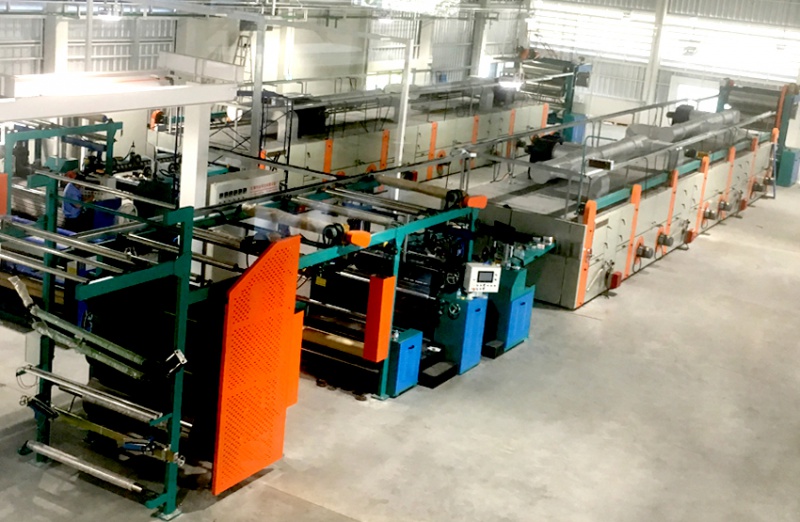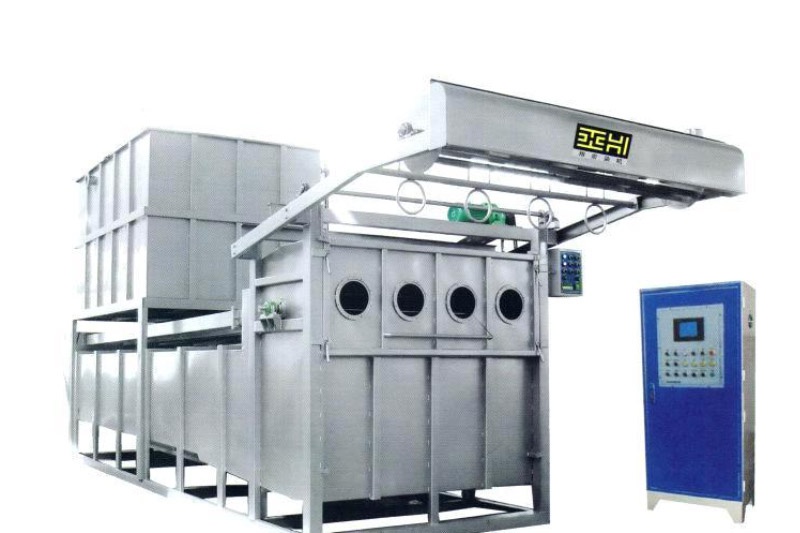
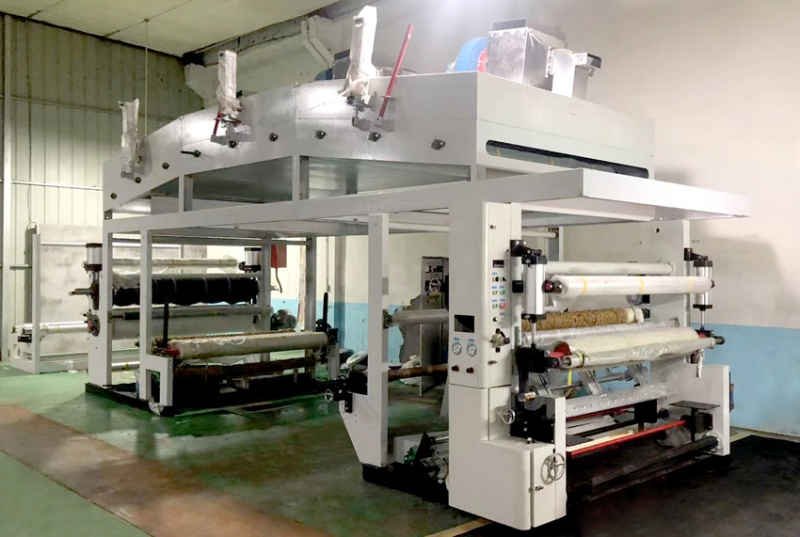


What the hot stamping machine does
Hot stamping transfers a thin metallic or pigment foil onto fabric with heat and pressure. A heated roller or plate presses the foil film against a glue-printed pattern. The adhesive bonds to the cloth and the carrier film peels away.
Runda lists this machine for foil stamping and surface finishing of woven and knitted fabrics. It sits at the end of the line, after dyeing, finishing and drying, because the cloth must be dry and stable before the foil goes on.
The spec sheet is available on request. Width, speed and heating details are confirmed per order, so send us the fabric and pattern first.
Published specifications: Hot Stamping Machine
| Item | Published value |
|---|---|
| Application | Foil stamping and surface finishing of fabric |
| Fabrics | Woven and knitted fabric |
| Technical specification | On request; contact us for the data sheet and brochure |
Numeric data is supplied in the data sheet on request.
Typical process values for foil stamping on textile
| Item | Reference value | Note |
|---|---|---|
| Foil transfer temperature | 100 to 160 °C | Set by the foil and adhesive type |
| Contact time under pressure | Fractions of a second to a few seconds | Slower speed gives longer contact |
| Adhesive | Printed or coated hot-melt or water-based glue | Applied before the stamping step |
| Fabric condition | Dry, flat, low shrinkage | Heat-set or pre-shrunk cloth gives a straighter pattern |
Reference values per industry standards for this type of machine. Final figures for an order are confirmed in the quotation.
Selection points for a textile hot stamping machine
Adhesive route. Decide first how the glue pattern is applied: screen print, roller print or coating. The stamping unit only transfers foil where adhesive already sits.
Fabric. Smooth, tightly woven fabric takes fine detail. Open knit and pile fabric need more pressure control and a test run before an order.
Width and repeat. State the widest cloth and the pattern repeat length. They set the roller or plate size.
Foil. Foil width, roll length and release temperature must match the machine. Confirm foil supplier data with us.
Heating control. Ask for the temperature range and control accuracy in writing. Foil that is too cold lifts. Foil that is too hot marks the fabric.
Typical applications of the Hot Stamping Machine
- Metallic foil patterns on dress fabric and home textiles
- Decorative stamping on knitted garment panels
- Surface finishing of curtain, sofa and bag fabric
- Sample work before a printed foil collection
Configuration options
- Roller or flat-plate stamping head (optional, set per order)
- Foil unwind and rewind with tension control (optional)
- Cooling zone after the stamping head (optional)
- Adhesive printing or coating unit ahead of the stamper (optional, on request)
Items marked optional are available on request. The final configuration is confirmed on the quotation.
Hot Stamping Machine: frequently asked questions
Do I need a separate machine to apply the glue?
Yes, the adhesive must be on the fabric before foil transfer. It can come from a screen or roller print unit or a coating machine. We can quote the stamper alone or as part of a line.
Which fabrics can be foil stamped?
Woven and knitted fabric are both listed. Smooth surfaces give the sharpest result. Test open knit and pile cloth before you commit.
Where is the data sheet?
The data sheet and brochure are available on request. Email rd@runda2008.com with your fabric and width and we send them.
Can foil stamping be done after dyeing?
Yes. Stamping normally goes last, on dry, finished cloth. Dye and finish chemistry should be checked for compatibility with the adhesive.